
Why Buy a Honda Over a Toyota in 2026?
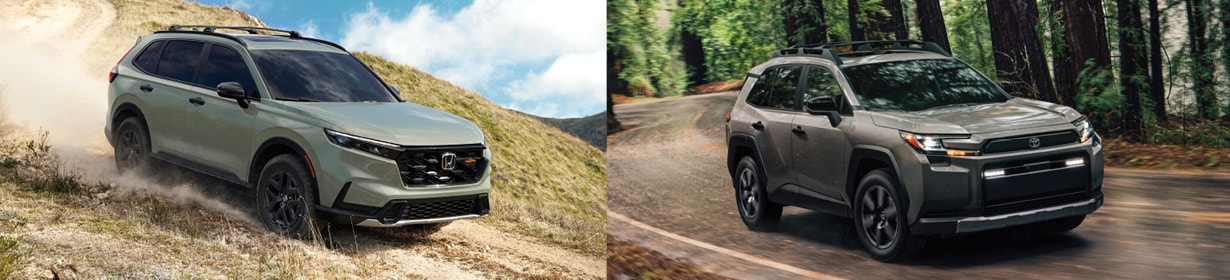
If you’re on the fence about buying a new or used Japanese car, there’s a good chance you’re comparing Honda vs. Toyota, two of the most popular automotive brands in America. Toyota’s reputation for reliability is legendary, and Honda has its own fiercely loyal following. But when it comes to long-term value, driving experience, and overall ownership satisfaction, there are several compelling reasons many buyers choose Honda.
Honda vs. Toyota: The Big Picture
Both Honda and Toyota offer high-quality vehicles with excellent reputations. Toyota is often known for conservative engineering and predictability, while Honda has carved out a niche for a more engaging driving experience combined with strong safety tech, thoughtful design, and overall value. Many drivers who want more than basic transportation appreciate how Honda vehicles feel smart, safe, and driver-friendly.
Now let’s break down exactly why Honda can be the superior choice, especially for buyers who care about features, performance, comfort, long-term quality, and peace of mind.
1. Honda Offers a More Engaging Driving Experience
One of Honda’s most consistent advantages over Toyota is dynamic performance and handling. Whether you’re comparing the Honda Civic, Accord, or CR-V, Honda’s suspension tuning and engine responsiveness can make everyday driving feel more engaging, without sacrificing practicality. Toyota vehicles, while reliable, often prioritize smoothness and predictability over spirited performance.
2. Advanced Safety Technology Comes Standard on Hondas
Honda Sensing® is a robust suite of advanced driver-assistance technologies that many buyers find intuitive and confidence-building. Most Honda models include:
- Adaptive Cruise Control
- Collision Mitigation Braking System
- Lane Keeping Assist
- Road Departure Mitigation
- Traffic Sign Recognition
Many of these features are standard across trims, giving buyers more value without having to upgrade. Toyota has Toyota Safety Sense, but Honda’s system is often praised for ease of use and real-world effectiveness.
3. Interior Quality, Comfort, and Tech Integration
Honda has made major strides in interior design. Across the lineup, Hondas tend to deliver:
- Higher-quality cabin materials
- Better ergonomics
- More intuitive infotainment systems
- Standard Apple CarPlay® and Android Auto™
- Optional tech like wireless charging and Wi-Fi hotspot
Toyota interiors can be more conservative and functional, which may feel underwhelming to tech-forward buyers. Honda’s cleaner, modern design often feels more current and future-ready.
4. Fuel Efficiency and Real-World Performance
Honda vehicles frequently edge out comparable Toyota models in real-world fuel efficiency, thanks to efficient engines and refined transmissions. While Toyota has a strong hybrid lineup, Honda’s conventional engines (like those in the Civic and Accord) deliver excellent mileage without hybrid-specific cost or complexity. This balance appeals to buyers who want efficiency without paying a premium.
5. Honda’s Lower Average Maintenance Costs
In many ownership comparisons, Honda vehicles tend to have slightly lower overall maintenance costs than Toyota counterparts. While Toyota often leads in reliability rankings, Honda’s service needs and widely available parts can add up to savings over time, especially for budget-conscious drivers.
6. Toyota’s Recent Recall Issues Highlight Long-Term Concerns
All manufacturers issue recalls, but Toyota has faced several high-profile campaigns in recent years that buyers should be aware of. These include recalls involving rear visibility systems and other safety-related components. Past industry-wide issues, such as airbag recalls, also impacted many vehicles across brands. The takeaway is simple: no manufacturer is perfect, and buyers should always check open recalls and service history when shopping.
7. Rental and Fleet Sales Can Affect Used-Car Supply
Another factor to consider is fleet and rental sales. Fleet vehicles can:
- Accumulate higher mileage quickly
- Return to the used market sooner
- Increase overall supply on certain models
More supply can influence used pricing and depreciation. Honda often emphasizes retail buyers, which can help preserve strong private-party appeal in the pre-owned market.
8. Honda’s Broader Standard Tech Features Provide Value
When comparing feature sets at similar price points, Honda often includes more equipment as standard, such as:
- Strong infotainment functionality
- Driver-assist tech on base trims
- Enhanced connectivity features
- Higher-end sound systems on select trims
This means Honda buyers frequently get more value for their money, especially at entry and mid-trim levels.
9. Honda’s Design Philosophy Appeals to Modern Buyers
Toyota often leans conservative in design, prioritizing broad appeal and timelessness. Honda frequently incorporates sportier styling, sleeker interiors, and a more driver-oriented aesthetic, which resonates with buyers who want a vehicle that looks as good as it performs.
10. Choosing Honda Means Choosing Joyful Ownership
Car buying isn’t just about specs. It’s about feeling confident and happy with your decision. Honda owners often cite:
- More engaging driving characteristics
- Better tech integration
- Less stress around feature availability
- Strong community support (aftermarket accessories, enthusiast groups, etc.)
Final Thoughts: Why Honda Wins for Many Buyers
Toyota’s strength in reliability is real. However, when you factor in driving engagement, safety tech, interior comfort, real-world efficiency, lower maintenance burden, and stronger standard features, Honda emerges as the better choice for many drivers looking for a well-rounded vehicle that feels premium without a premium price tag.
Whether you’re buying your first car, upgrading your family SUV, or choosing a reliable commuter vehicle, Honda often delivers more value, better technology, and a more enjoyable driving experience compared to Toyota, making it a smart choice in 2026.